


You absolutely read that right. In a milestone that deserves global attention, Sweden has officially crossed the threshold into *smoke-free status* with adult smoking rates dipping below the internationally recognised benchmark of 5%. This isn’t some aspirational goal or timeline prediction anymore it’s **reality**, and it’s happening now. Where is Mike Bloomberg and the WHO to give Sweden an award?
For years, we’ve talked about harm reduction, safer nicotine alternatives, and the future without cigarettes. Sweden has made that future tangible and real and happening YEARS ahead of the EU Mandated target date.
What Does “Smoke-Free” Actually Mean?
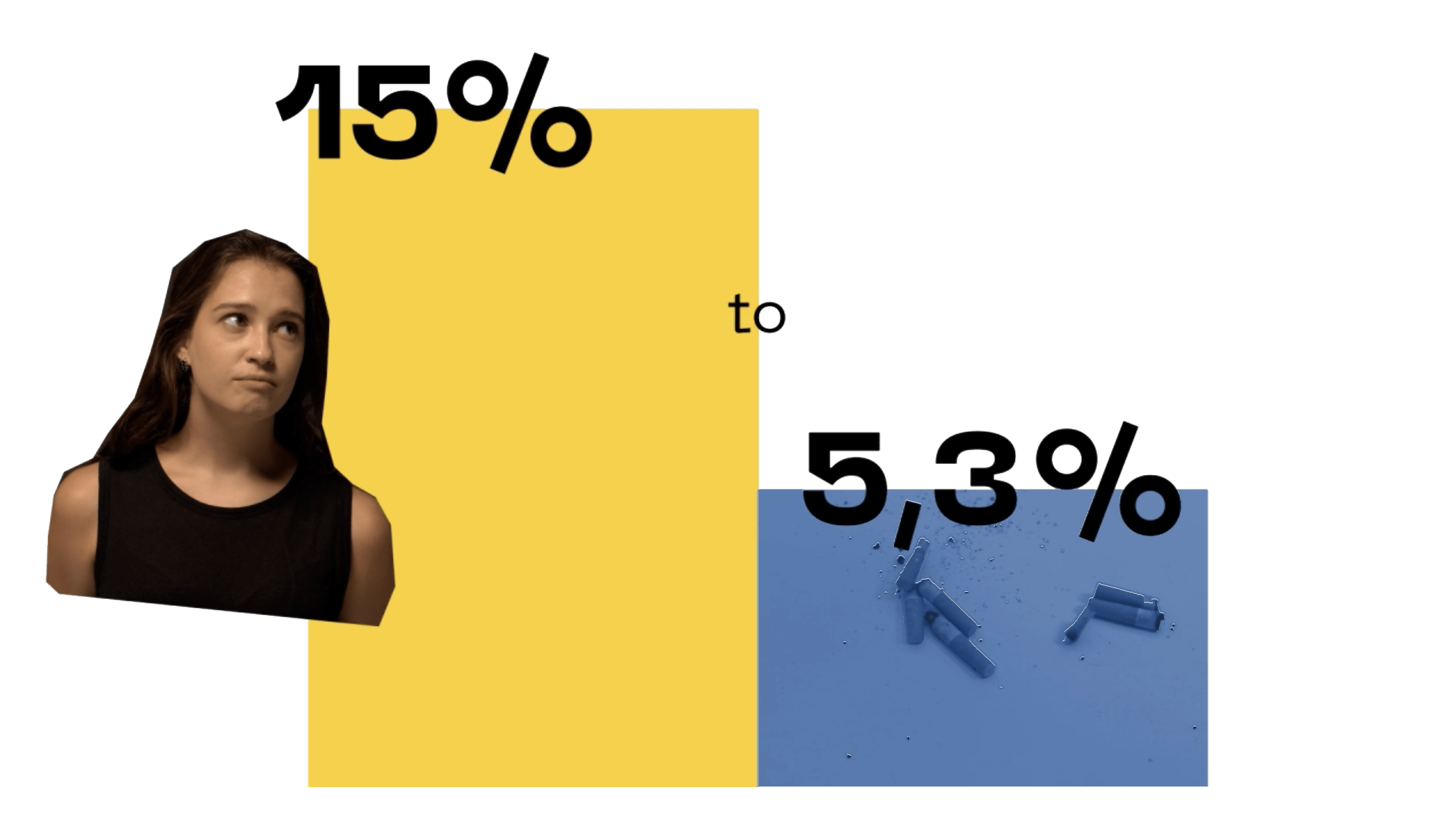
Public health officials and organisations like the World Health Organization define *smoke-free status* as having less than 5% of the population smoking daily. Sweden hit that threshold — by some measures officially crossing it as early as October 25, 2025. SOURCE
Among Swedish-born adults, just around **4.5% now smoke cigarettes**, while the broader population sits at roughly **5.3%**. That’s compared to the European average of 24%.
This isn’t a tiny statistical blip! It’s a massive shift from decades past, when smoking was common. The transformation is the result of a long-term strategy combining smart public health policy with *real options* for people who use nicotine.
How Sweden Got Here: Choices Over Coercion
So what happened in Sweden that hasn’t happened everywhere else?
- Harm reduction became policy — Swedish Parliament enshrined a tobacco harm reduction framework that acknowledges not all nicotine products carry the same risk.
SOURCE - Safer nicotine alternatives were embraced — products like snus, nicotine pouches, and vaping tools gave smokers a realistic alternative to cigarettes.
SOURCE - Taxes were structured by risk — cigarettes remained expensive, while reduced-risk options were taxed proportionately less, nudging consumers toward better choices.
SOURCE - Public health messaging focused on lowering harm rather than moralising or prohibition-only policies SOURCE
This isn’t about being “anti-smoking” in ANY sense. it’s about being pro-public health, pro-choice, and pro-common sense. Sweden said: “Let’s give people tools that actually work.” And people used them.
Real World Results Cannot Be Ignored
Sweden’s approach hasn’t just bumped down smoking rates, it’s shaved years off smoking-related illness and death. The country has some of the lowest lung cancer and cardiovascular mortality rates in the EU, thanks in part to fewer smokers and greater use of less harmful products. SOURCE
This isn’t theoretical this is lives saved. Families spared grief. Healthcare costs avoided. It’s the kind of outcome policy nerds and public health orgs dream about.
Why This Matters for the Rest of the World
Sweden didn’t get here because it banned things. Sweden got here by giving people *better, safer options* and then trusting them to choose smarter. That’s a profound lesson for everywhere still battling tobacco-induced disease waves.
If you want to dig deeper into the policy side of what Sweden did, check out Smoke Free Sweden’s overview.


Is It Perfect? No, But It’s Good
Sweden isn’t nicotine-free. People still use nicotine, in fact a lot of people still do. But **reducing harm** matters more than dogma. Letting perfect be the enemy of good, or in this case, GREAT… is a terrible idea. Smoking is the part that kills. Sweden demonstrated a smarter path forward by not forcing people who consume nicotine, to consume it in the most deadly way possible.
And in an era where so many countries are stuck debating bans, flavors, and black markets, Sweden looked at the data and said: *Let’s get real.* That’s the kind of leadership worth celebrating and worth copying. Take notes FDA, Your whack-a-mole regulations aren’t going to cut it anymore, people who smoke deserve real and lasting change.
This was written by GrimmGreen
Research was done with the help of robots